Preparing Your Boiler For Winter: 11-step Checklist

UK winters can be unpredictable.
Over the past 50 years, the average winter temperature has ranged from 1.5°C (1978 – 9) to 6.8°C (2023 – 24).
Amongst this, instances as low as −27.2°C (in Braemar, Aberdeenshire in January 1982) and as high as 21.2°C (Kew Gardens in February 2019) have been recorded.
Either way, winter puts your central heating under pressure. A sudden cold snap can easily trigger a boiler breakdown.
So, to help you stay warm, we have put together a practical pre-winter checklist.
1. Check your boiler pressure
Your boiler needs the correct amount of water to circulate heat, i.e., its pressure.
Check the pressure when the system is cold, as water expands and changes the reading when hot.
What to check:
Look at your digital display or hydraulic dial. Cold pressure should sit between 1 and 1.5 bar.
When the heating is active, the pressure will naturally rise to around 1.5 to 2 bar.
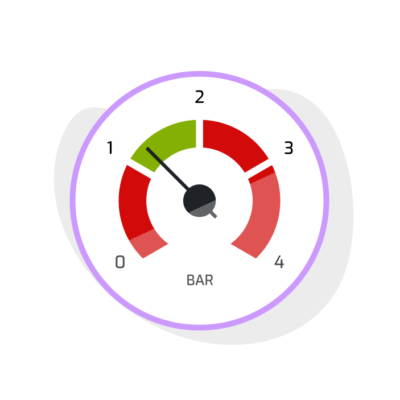
How to do it
If your pressure is below 1 bar cold, repressurise the system using your filling loop.
If the pressure is persistently above 2 bar, you can reduce it by bleeding your radiators.
What to do if there is a problem
If you cannot normalise the pressure, refer to our guide on how to reduce boiler pressure or contact a qualified engineer.
Further reading:
2. Bleed your radiators
Air can become trapped inside your heating system over time. This prevents hot water from filling the entire radiator.
What to check:
Feel your radiators when the heating is on. If they are cold at the top but hot at the bottom, they need bleeding.
How to do it
Place a container underneath your radiator valve (to catch water) and use a radiator key to slowly turn the bleed valve anticlockwise.
Once the air stops hissing and water begins to trickle, tighten the valve.
What to do if there is a problem
Bleeding radiators can lower system pressure. Always recheck your boiler’s pressure gauge after bleeding and top it up if it drops below 1 bar.
3. Check for cold spots and sludge
Cold spots that at the bottom of your radiator indicate a more serious problem. They are often a sign that iron oxide sludge has accumulated inside your pipework.
What to check
Feel the centre and bottom of your radiators after the heating has been running for 10 minutes.
How to do it
If the centre or bottom remains cold while the top is warm, sludge is blocking the flow. Sludge cannot be removed by bleeding.
You must clear the system with a power flush.
What to do if there is a problem
Sludge acts as a silent killer of boiler efficiency. It makes your boiler work harder and raises your energy bills. Contact a professional to power flush your system.
4. Fire up the boiler after summer
Boilers that aren’t used over extended periods can develop faults. You should test your system before the cold winter weather arrives.
What to check
Switch your heating on for at least 15 minutes in early autumn to check that your central heating and hot water both work.
How to do it
Turn your room thermostat up to 21°C to force a call for heat. Walk around your home to check that each radiator is warming up.
What to do if there is a problem
Identifying faults in September or October is ideal. Engineers have much better availability before the winter rush of emergency breakdowns begins.
5. Listen for unusual noises
A healthy boiler should run quietly. When you turn on your system after a long break, pay close attention to any mechanical sounds.
What to check
Listen for persistent boiler noises, such as banging, gurgling, whistling, or humming.
How to do it
Gurgling usually means trapped air, while whistling or kettling indicates limescale build-up.
What to do if there is a problem
If your boiler is making unusual noises, read our noisy boiler guide to help identify the cause before booking an engineer.
6. Check thermostat and programmer settings
A faulty or incorrectly set control system can prevent your boiler from firing when you need it most.
What to check
Check that your thermostat and timer programmers are set correctly for the new winter season.
How to do it
Replace the batteries in your wall thermostat, especially if it is a wireless or smart unit. If the clocks have recently gone back, manually update any non-automatic timers.
What to do if there is a problem
If your heating fails to turn on, check that the programmer is actively calling for heat before assuming the boiler itself has broken down.
7. Insulate your condensate pipe
Modern condensing boilers drain slightly acidic wastewater through an external plastic pipe. During freezing winter spells, this standing water can freeze inside your condensate pipe and lock out your boiler.
What to check
Locate the white plastic condensate pipe running outside your property.
How to do it
Insulate the pipe using class O foam lagging. Don’t use temporary solutions like wrapping towels around the pipe, as they absorb moisture and freeze.
What to do if there is a problem
If the pipe freezes, pour warm (not boiling) water over it to thaw the ice block.
If your pipe freezes repeatedly, get it replaced with a wider diameter pipe. You can read our frozen condensate pipe guide for full thawing instructions
8. Check your external flue
Your boiler flue is the exhaust pipe that safely vents combustion gases outside your home.
What to check
Perform a simple visual check of the flue terminal on your external wall or roof.
How to do it
Look for obvious obstructions such as bird nests, fallen leaves, or accumulated debris.
What to do if there is a problem
Most modern boilers will automatically shut down if the flue is even partially blocked.
If you spot a blockage inside the pipe, always hire a Gas Safe registered engineer to safely clear it.
9. Book an annual boiler service
A professional service is the most important step to prepare your heating system for winter.
What to check
Check your service records to see when your boiler was last inspected.
How to do it
Arrange for a registered Gas Safe engineer to conduct a thorough service.
They will check internal safety devices, test component wear, and ensure the burner is operating cleanly.
What to do if there is a problem
An annual boiler service is usually a requirement to keep your manufacturer’s warranty valid.
Booking your service in September ensures your system is ready before winter.
10. Fit or test a carbon monoxide alarm
Carbon monoxide is a highly dangerous gas that is completely odourless, tasteless, and colourless.
What to check
Ensure you have an active carbon monoxide alarm installed on every floor of your home that has a gas appliance.
How to do it
Test your alarms monthly using the test button. You should replace these alarms in line with the manufacturer’s guidance (which is often – but not always – every 7 years).
11. Check your immersion heater
If your home has a hot water cylinder, you almost certainly have an immersion heater fitted inside. It’s likely your most valuable backup if your boiler breaks down mid-winter.
What to check
Locate the immersion heater switch (usually a red switch near the cylinder, often in an airing cupboard). Check it’s switched off when not in use.
How to do it
Turn the switch on briefly and wait 30 minutes. Check that the water at your hot tap is warming up. If it is, your immersion heater is working. Switch it off once confirmed.
What to do if there is a problem
If the water stays cold, the immersion element or its thermostat may have failed. You can read our immersion heater guide to understand how it works and what a replacement involves.
What to do if there is a problem
First, if you hear you CO2 alwarm sound, evacuate your property immediately and do not use electrical switches. Call the National Gas Emergency Service on 0800 111 999 from outside
A high-quality alarm costs between £15 and £25. This is a small price to pay to protect yourself and your household from a silent hazard.
Get your boiler covered with Hometree
Our boiler cover includes unlimited repairs, an annual boiler service, zero parts & labour charges, and 24/7 claims support to keep your home warm. Subject to exclusions and T&Cs apply.


We Beat or Match Any Quote
Phone us to beat or match British Gas or Homeserve quotes, Terms apply.

Serious About Service
24/7 claims support & rated Excellent on Trustpilot

Cover Match Guarantee
£50 gift card if we don’t cover something British Gas or Homeserve do, terms apply

All Gas Boilers Covered
All makes and models, regardless of age